
by Ethan Harris
SERIOUS concerns about the well-being and mental literacy of sports coaching staff has been brought to light by new research.
Research by Professor Brendan Cropley, from the University of South Wales, and Paul Sellars from Cardiff Metropolitan University found over 77% of coaches reported middle to low levels of well-being or worse.
Of 152 participants, no-one reported levels of high overall well-being in coaching, a statistic which Dr Cropley described as “surprising” when speaking at the Mental Health in Sport Conference in Treforest.
Fellow researcher Paul Sellars highlighted a high workload, poor working relationships and excessive travel as having a severely negative impact on the mental health of coaches.
In a time where coaches are scrutinised on every decision made, it is no surprise that the stress and pressure can have a damaging effect on how coaches cope with the mental struggles of situations.
With the spotlight focused on the athletes they are training, it is perhaps no wonder also that the stories behind mental health within the coaching world have gone relatively unnoticed.
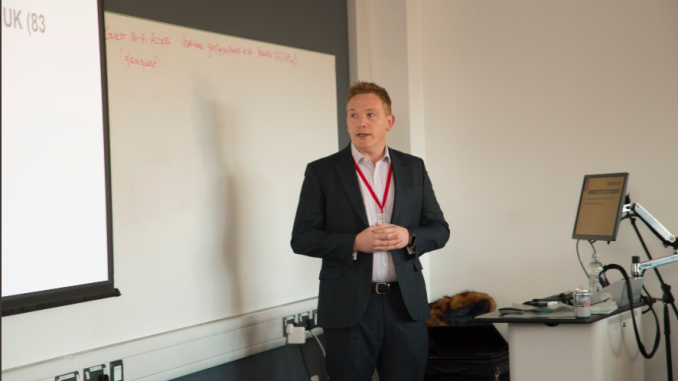
Speaking at the Mental Health in Sport Conference, Dr. Cropley said: “One of the issues that we’ve got within sport psychology is that a lot of the literature and research-focus has been based on athletes and performance, research into mental health and well-being probably trails in sports coaching and sports science.
“This is perhaps quite surprising considering the amount of research we’ve got in sports coaching, which suggests that coaches are placed within significant amounts of demands under their roles.”
With the findings showing adaptations need to be made to structures of dealing with mental well-being for coaching staff, this is perhaps most echoed by the discovery that most of the coaches displayed high scores in struggling to cope with work withdrawal.
Paul Sellars revealed spending time with family was one of the key positive influences on well-being.
However, if coaches are unable to fully relax with their families due to work demands, it is no surprise that the mental health of coaches is compromised without the correct support in place.
As a result, both speakers stressed the need for more support avenues for those with mental health issues within sport coaching, including the need for better understanding and education around the subject.
Dr. Cropley said: “For me it’s about improving the mental health literacy of coaches, that would be making them aware of the symptoms they’re experiencing or their emotions, helping them to be able to recognise these, and then giving them the empowerment to do something about those symptoms, rather than just live with them.”



Be the first to comment